Reduce ASMR background noise by identifying whether it is an external source, room reflection, electrical noise, breath, cable rubbing, or physical vibration. Remove or isolate the source, improve microphone distance and gain, add only the matching treatment, then use light post-production cleanup.
How to reduce background noise in ASMR step by step
- Record room tone without touching anythingListen for traffic, voices, HVAC, computer fans, refrigerators, electrical hum, and intermittent sounds. Note whether the noise is steady or unpredictable.
- Run a clap testA sharp ringing or repeated flutter after a clap is room reflection. It is different from outside noise and can respond to dense furnishings or targeted absorption.
- Run a desk and cable testTap the table, move the stand, touch the cable, shift the chair, and walk nearby. Low thumps and scratches are mechanical paths, not room ambience.
- Remove the source before treating the symptomStop or move avoidable fans, schedule around traffic or people, use an interior room, close gaps, and move the computer away when possible.
- Move the microphone or source closerImprove the ratio of wanted sound to room noise, then lower gain. Keep breath and the loudest triggers under control.
- Add the matching physical controlUse a soft pad or arm for vibration, dense blankets and curtains for nearby reflections, weatherstripping for identified gaps, and acoustic foam only for measured mid and high-frequency reflection.
- Record a matched before-and-after testUse the same voice, distance, gain, and position. Keep only changes that create an audible improvement without making the performance less practical.
- Use post-production cleanup lightlyRemove isolated events, use room tone, and apply conservative noise reduction for steady residual noise. Do not expect software to rebuild a recording dominated by traffic, voices, or clipping.
Problem and matching fix
Location and schedule
Move to an interior position, record at quieter times, close identified gaps, and do not expect foam to stop transmission.
Dense material and targeted absorption
Use furniture, duvets, heavy curtains, rugs, or measured foam near reflection points.
Break the physical path
Start with a soft isolation surface; add a compatible arm or shock mount only when needed.
Distance and workflow
Move the computer, extend the compliant connection, or use a portable recorder.
Angle and distance
Move the mouth off-axis and use a pop filter only when technique does not solve it.
Connection test
Test power, cables, ports, chargers, and one device at a time before applying software removal.
Room and vibration products
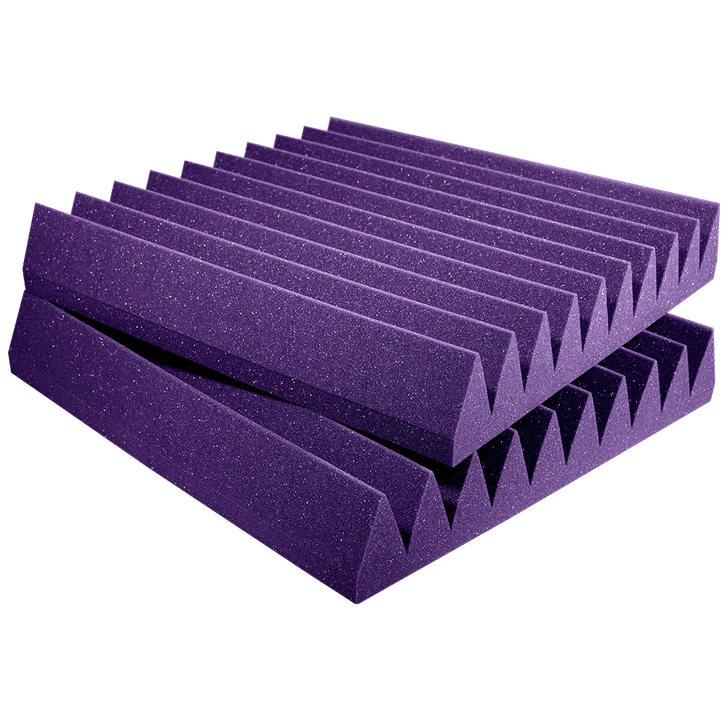
Auralex Studiofoam Wedges 2-inch 12-pack
Best for: Reducing mid/high-frequency reflections and flutter echo in an untreated recording corner
A branded acoustic-foam option for creators whose clap test reveals room ring or flutter echo. It treats reflections around the microphone; it does not block traffic, neighbors, HVAC, or other outside noise.
- A placement plan based on a clap test or identified reflection point.
- A surface-safe mounting method appropriate for the wall and foam.
- A separate solution for outside noise; acoustic foam is not soundproofing.
Open Amazon to confirm the current price, seller, availability, and exact bundle contents. Prefer Amazon.com, the brand storefront, or an authorized dealer.
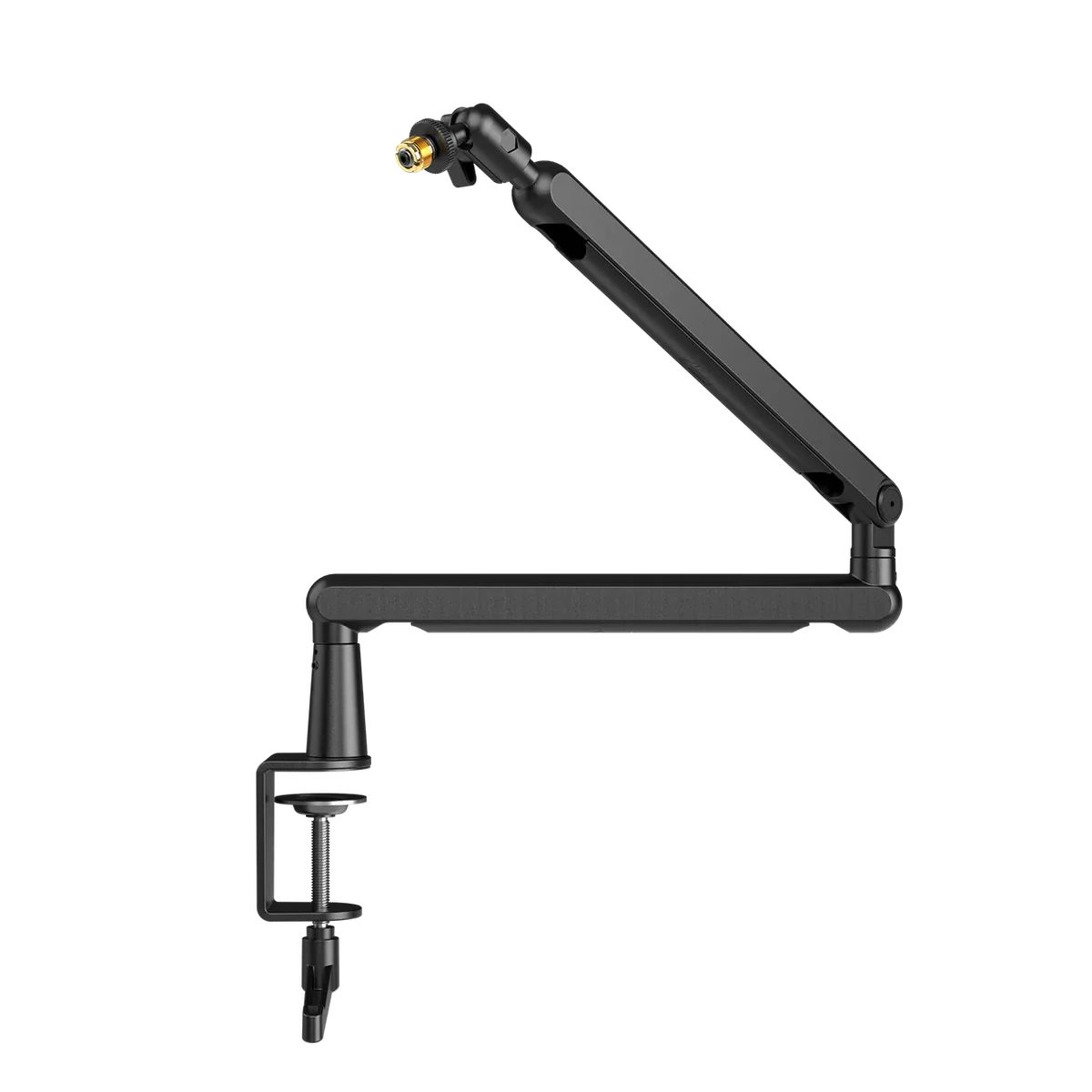
FIFINE BM88
Best for: Moving a desk microphone off the tapping surface
A low-profile clamped arm with built-in cable routing and common microphone thread sizes. Its practical value for ASMR is isolation: the microphone no longer sits on the desk being tapped.
- A desk edge that fits the clamp and can support the load.
- A compatible microphone thread/adapter and verified microphone weight.
Open Amazon to confirm the current price, seller, availability, and exact bundle contents. Prefer Amazon.com, the brand storefront, or an authorized dealer.
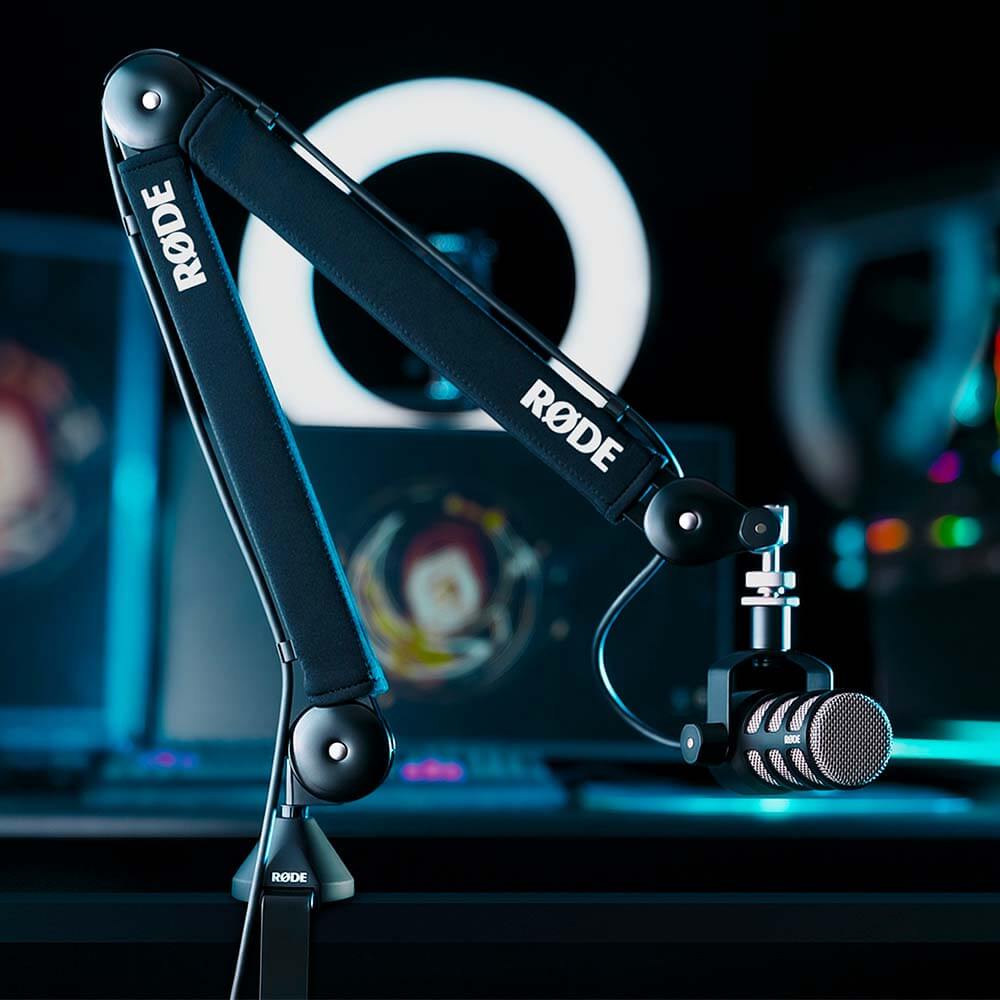
RØDE PSA1+
Best for: Moving a heavy microphone off the desk without noisy repositioning
A premium articulated desk arm designed for a wide range of microphone weights. It is especially useful with heavier USB microphones such as the Blue Yeti and for close trigger work where desk vibration matters.
- A desk surface that can safely accept the clamp or insert mount.
- A compatible microphone thread/adapter and a microphone within the supported weight range.
Open Amazon to confirm the current price, seller, availability, and exact bundle contents. Prefer Amazon.com, the brand storefront, or an authorized dealer.
Heavy Moving Blankets Sound Dampening
Use this only for the specific reflection, vibration, or outside-noise problem described in the guide; verify mounting and room-surface compatibility.
Check current price on Amazon → · paid linkRoom treatmentHeavy Blackout Curtains
Use this only for the specific reflection, vibration, or outside-noise problem described in the guide; verify mounting and room-surface compatibility.
Check current price on Amazon → · paid linkRoom treatmentDoor Weatherstripping Sound
Use this only for the specific reflection, vibration, or outside-noise problem described in the guide; verify mounting and room-surface compatibility.
Check current price on Amazon → · paid linkRoom treatmentMicrophone Isolation Pad
Use this only for the specific reflection, vibration, or outside-noise problem described in the guide; verify mounting and room-surface compatibility.
Check current price on Amazon → · paid linkWhat editing can and cannot do
Editing can remove isolated mistakes, smooth cuts with room tone, reduce a modest steady noise, and control occasional peaks. It cannot recreate missing whisper detail after aggressive noise, clipping, wind, or continuous rubbing dominates the source.
Frequently asked questions
Does acoustic foam block outside noise?
No. Thin foam mainly changes reflections inside the room. It does not stop traffic, voices through walls, or structural vibration.
How do I reduce computer fan noise in ASMR?
Increase distance, move the computer away from the microphone, lower gain after moving the source closer, use a compliant longer cable, or record to a portable device.
Should I buy a quieter microphone?
Only after the room and placement are tested. A more sensitive condenser can reveal more room and outside noise rather than solving it.
Can noise reduction software fix an ASMR recording?
It can reduce modest steady noise, but heavy processing often damages whispers and fine trigger texture. Capture improvements are more reliable.