A strong ASMR roleplay video combines a clear viewer relationship, a beat-based script, a coherent prop tray, deliberate audio perspective, stable eye-level framing, soft key light, optional background separation, and continuity-focused editing.
How to make an ASMR roleplay video step by step
- Choose the viewer role and promiseDefine who the viewer is, what service or interaction is happening, and what calm outcome the scene provides.
- Write beats instead of a rigid full scriptPlan the opening, explanation, examination or service stages, recurring triggers, transitions, and closing while leaving room for natural pacing.
- Build a prop tray by scene functionGroup tools by the moment they are used, remove noisy packaging in advance, and test each prop at the planned microphone distance.
- Choose the audio perspectiveUse centered voice, stereo movement, intentional lo-fi, or binaural ear-to-ear interaction deliberately. Map left and right before filming.
- Lock the camera and eye lineUse a tabletop or full-height tripod, leave hand space, choose the viewer point of view, and keep the lens and performer relationship consistent.
- Light the face, hands, and set separatelyStart with one soft key, add fill only when needed, and use a background light or practical for separation after the subject is correct.
- Choose a physical background or green screenUse a real set when objects and texture support the scene. Use green screen only for recurring virtual locations that justify even screen lighting and keying work.
- Record continuity anchorsRepeat important lines or actions, keep props returned to known positions, and leave clean room tone and handles around corrections.
- Edit for uninterrupted personal attentionProtect gaze, hand position, prop state, audio ambience, and calm pacing across cuts. Remove technical searches without making the scene feel rushed.
Roleplay set options
Exact roleplay gear
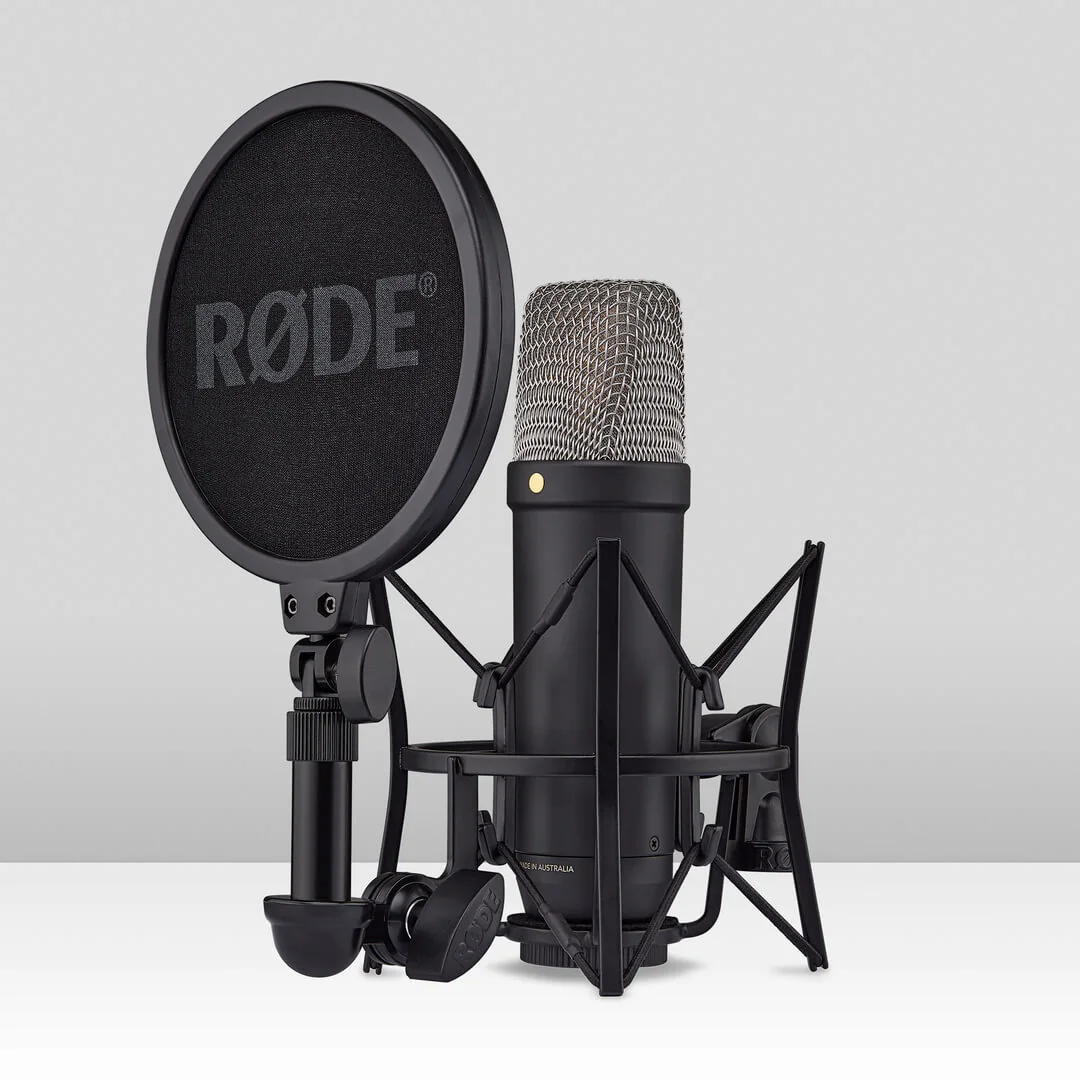
RØDE NT1 5th Generation
Best for: A serious whispering upgrade without committing to an interface immediately
A very low-noise studio condenser with both XLR and USB connectivity. USB makes it usable as a direct computer microphone now; XLR leaves a clean upgrade path later.
- Choose one path: direct USB-C to a computer, or XLR to an interface/recorder.
- For XLR use, add an XLR cable and an input that can provide 48 V phantom power.
- A stable microphone stand or arm; use the included shock mount and pop filter.
- Wired headphones or in-ear monitors from the microphone, computer, or interface.
Open Amazon to confirm the current price, seller, availability, and exact bundle contents. Prefer Amazon.com, the brand storefront, or an authorized dealer.
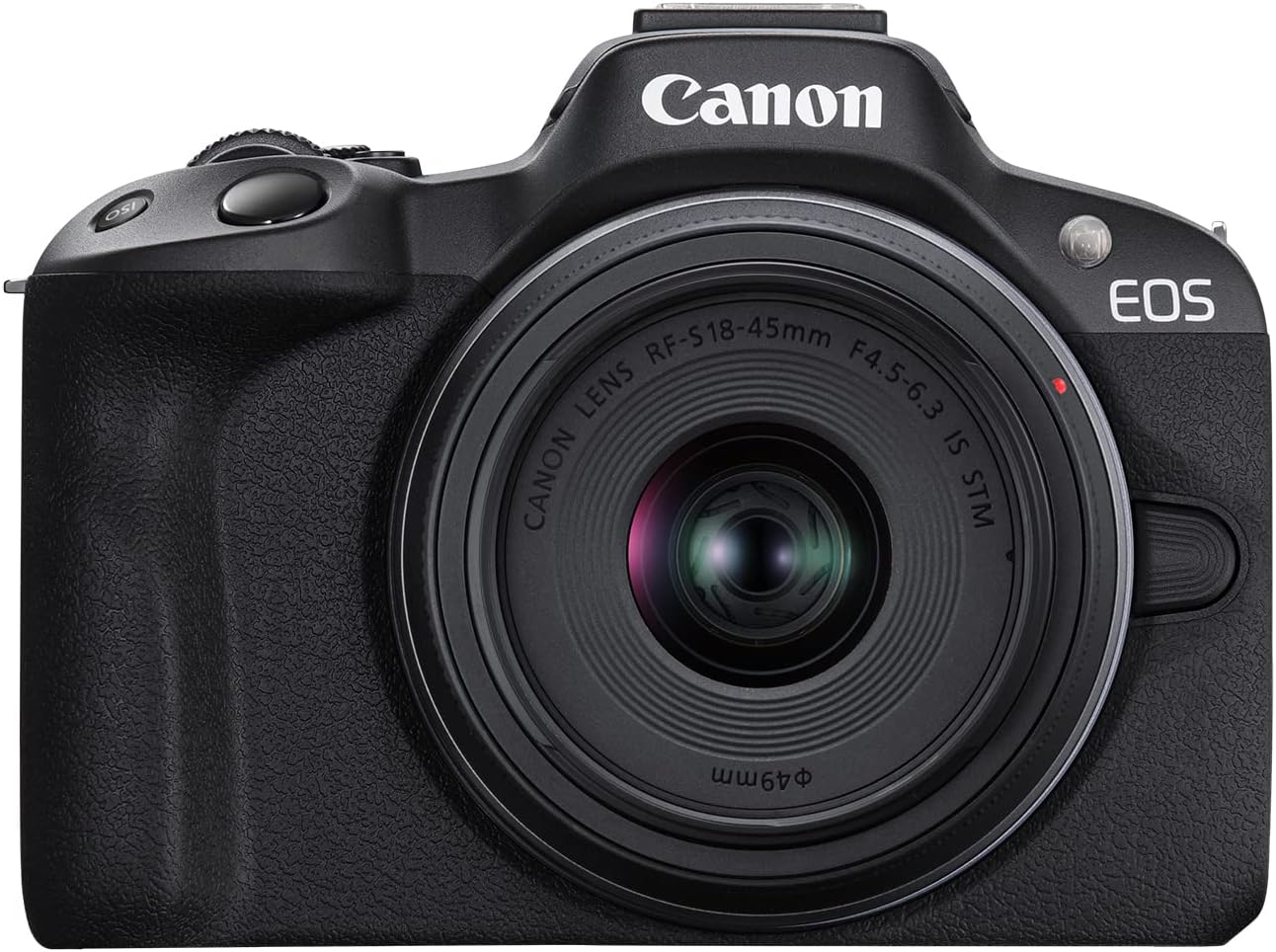
Canon EOS R50 with RF-S 18-45mm lens
Best for: A creator who wants a dedicated camera, flip screen, autofocus, and room to grow
A compact APS-C mirrorless kit aimed at content creation. It is a meaningful visual upgrade when lighting, framing, and publishing workflow are already under control.
- A compatible RF/RF-S lens if the listing is body-only.
- An SD card, charged battery or supported continuous power, and a stable tripod.
- A capture card and HDMI cable only for live computer capture—not for recording internally.
- A separate microphone or recorder when the built-in camera audio is not sufficient.
Open Amazon to confirm the current price, seller, availability, and exact bundle contents. Prefer Amazon.com, the brand storefront, or an authorized dealer.
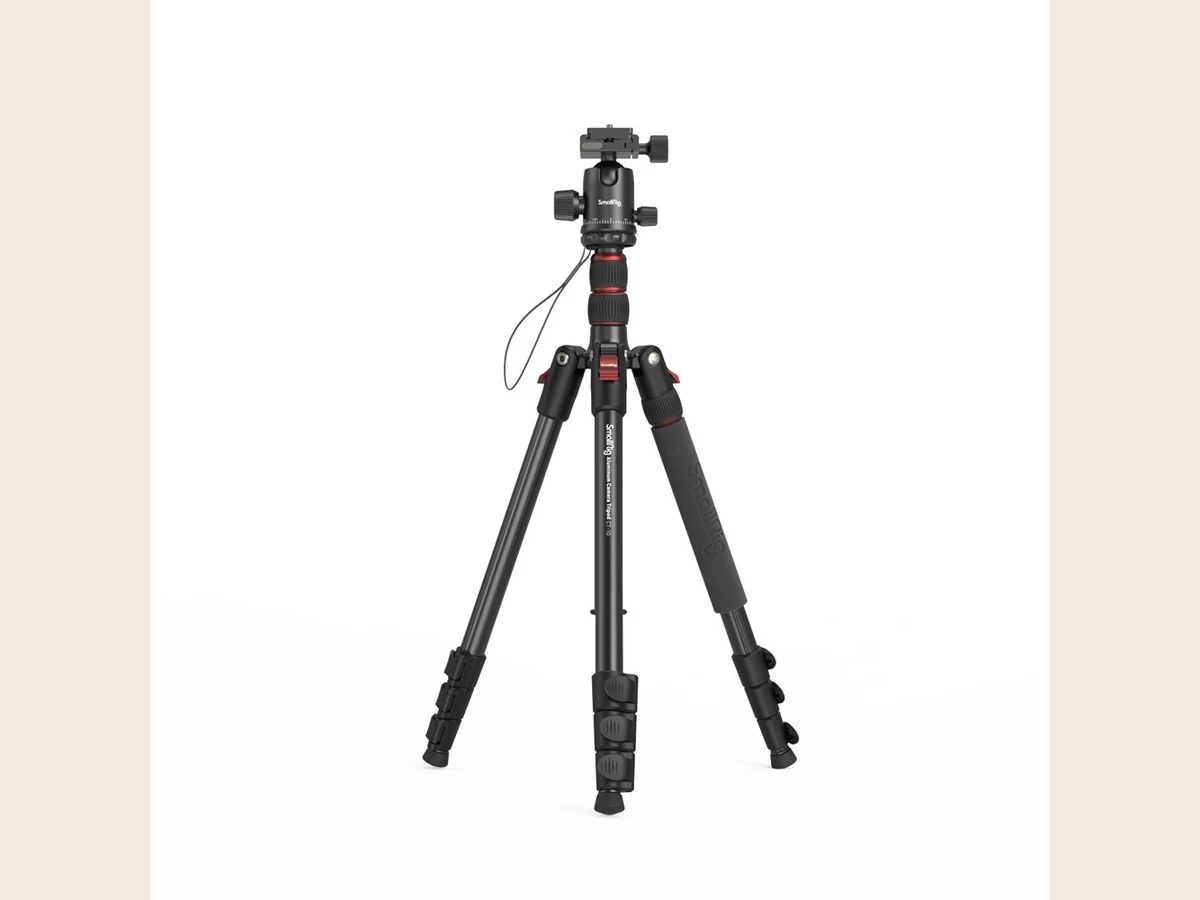
SmallRig CT-10 Aluminum Camera Tripod 3935
Best for: Eye-level roleplay, mirrorless-camera framing, and a stable phone or camera position
A full-height aluminum tripod with an Arca ball head and included phone holder. It supports a standing roleplay frame, a mirrorless camera, or a phone when a tabletop tripod is too low.
- A compatible quick-release plate or phone holder.
- A total camera-and-lens weight below the head and leg load ratings.
Open Amazon to confirm the current price, seller, availability, and exact bundle contents. Prefer Amazon.com, the brand storefront, or an authorized dealer.
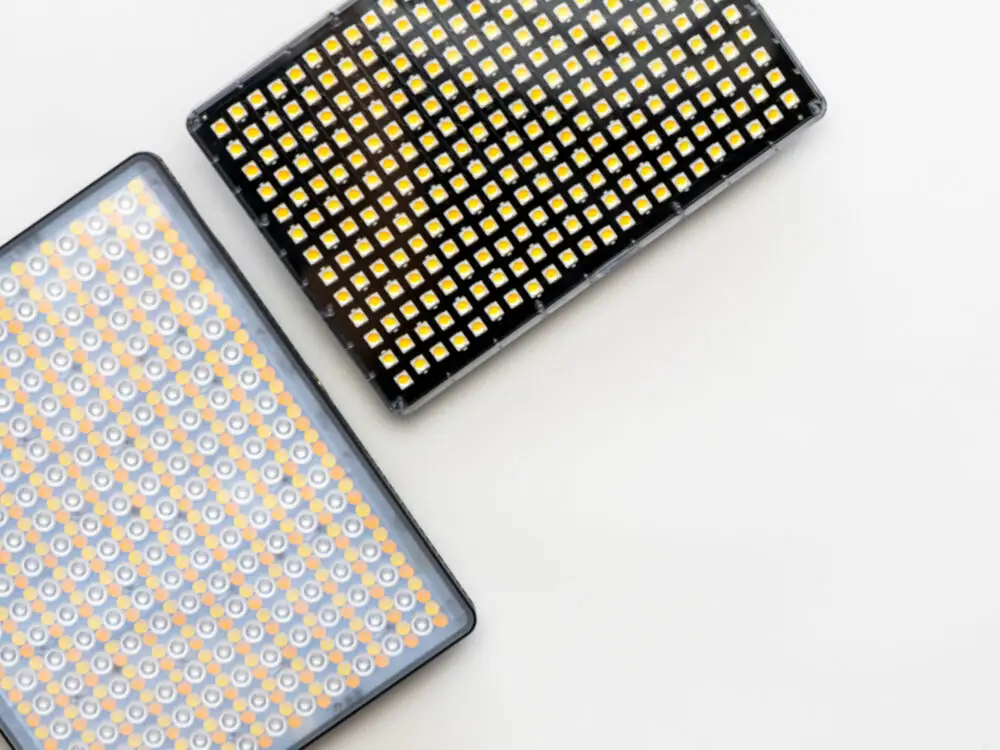
amaran P60x Bi-Color LED Panel
Best for: A repeatable professional key or fill light in a dedicated ASMR studio
A compact 60-watt bi-color panel for creators who want a more controlled and repeatable studio light than a basic desk lamp. It fits professional roleplay and binaural setups where skin tone and prop detail must stay consistent between sessions.
- A compatible light stand and power solution.
- A softbox or diffusion when a softer key light is required; confirm bundle contents.
Open Amazon to confirm the current price, seller, availability, and exact bundle contents. Prefer Amazon.com, the brand storefront, or an authorized dealer.
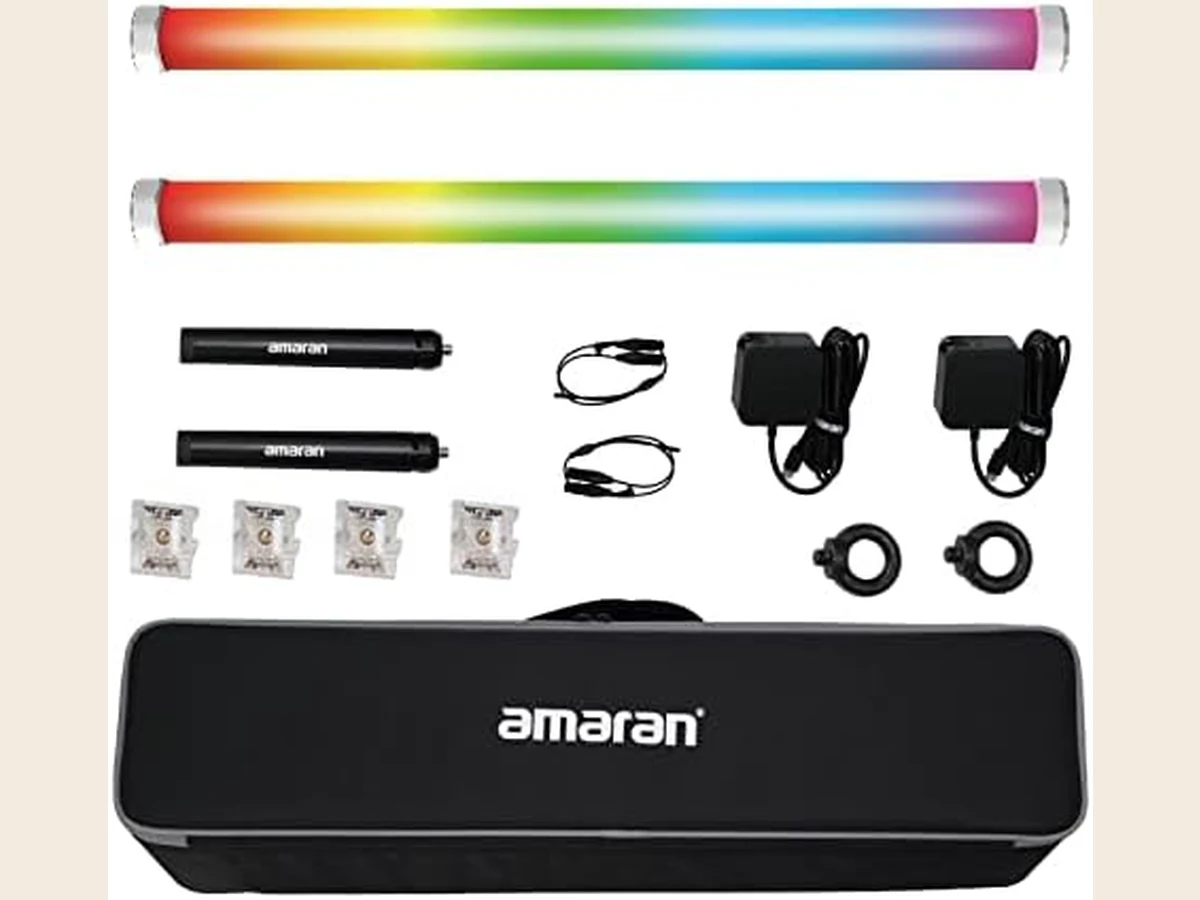
amaran PT2c RGBWW Pixel Tube
Best for: Colored background separation, practical light in roleplay sets, and repeatable scene accents
A two-foot battery-powered RGBWW pixel tube with eight controllable pixels. It is a background or practical light—not the main face light—and can give clinics, spas, sci-fi scenes, or color-themed videos a distinct visual identity.
- A safe stand, clamp, or magnetic mounting surface appropriate for the location.
- Battery charge or USB-C power and enough separation to keep the background light out of the microphone path.
Open Amazon to confirm the current price, seller, availability, and exact bundle contents. Prefer Amazon.com, the brand storefront, or an authorized dealer.
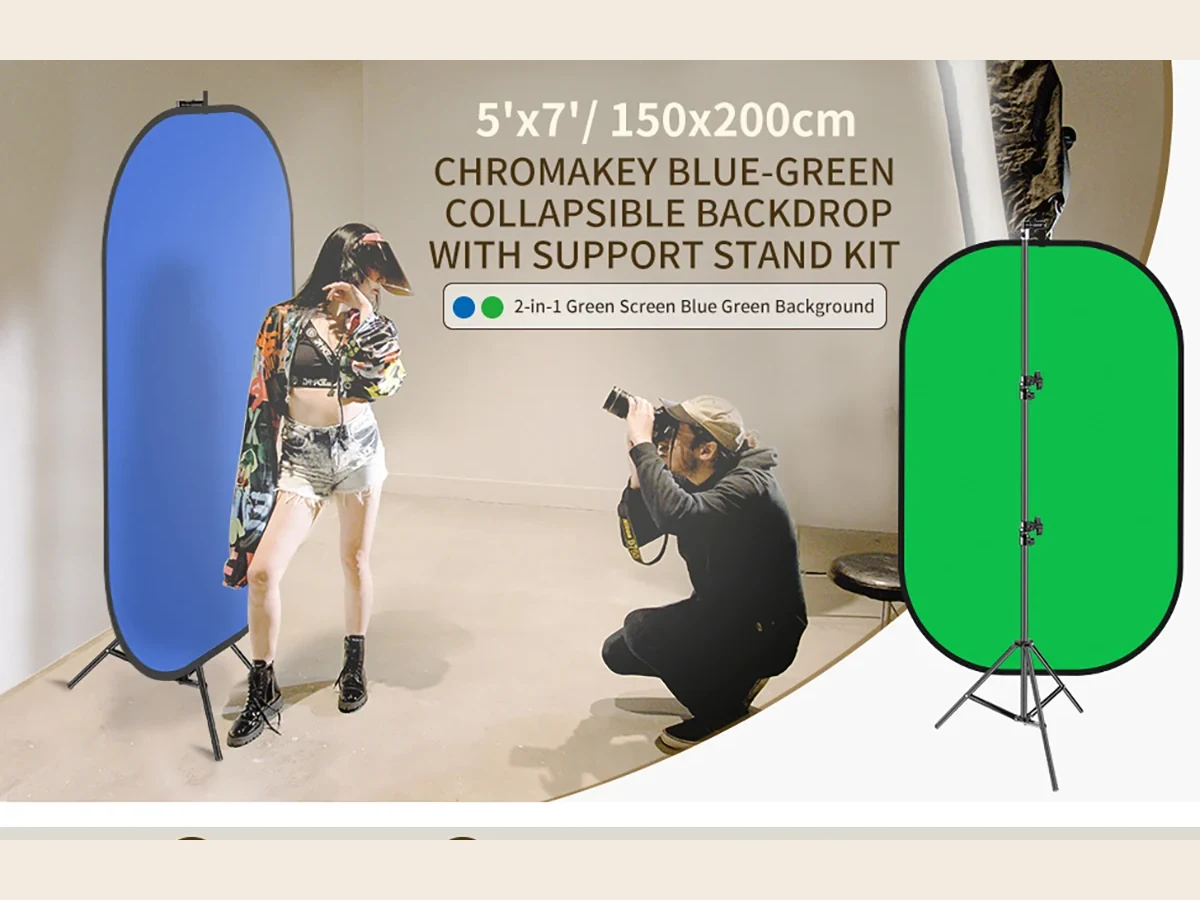
NEEWER 5×7 ft Blue/Green Collapsible Backdrop with Stand
Best for: Roleplay creators who need repeatable virtual clinics, spas, salons, shops, or fantasy environments
A reversible blue/green 5×7-foot backdrop that folds into a carrying bag and can be purchased with a support stand. It expands roleplay locations without building a permanent set.
- A safe stand/support if it is not included in the selected listing.
- Even background lighting separate from the subject key light.
- Enough distance between the subject and screen to reduce color spill.
Open Amazon to confirm the current price, seller, availability, and exact bundle contents. Prefer Amazon.com, the brand storefront, or an authorized dealer.
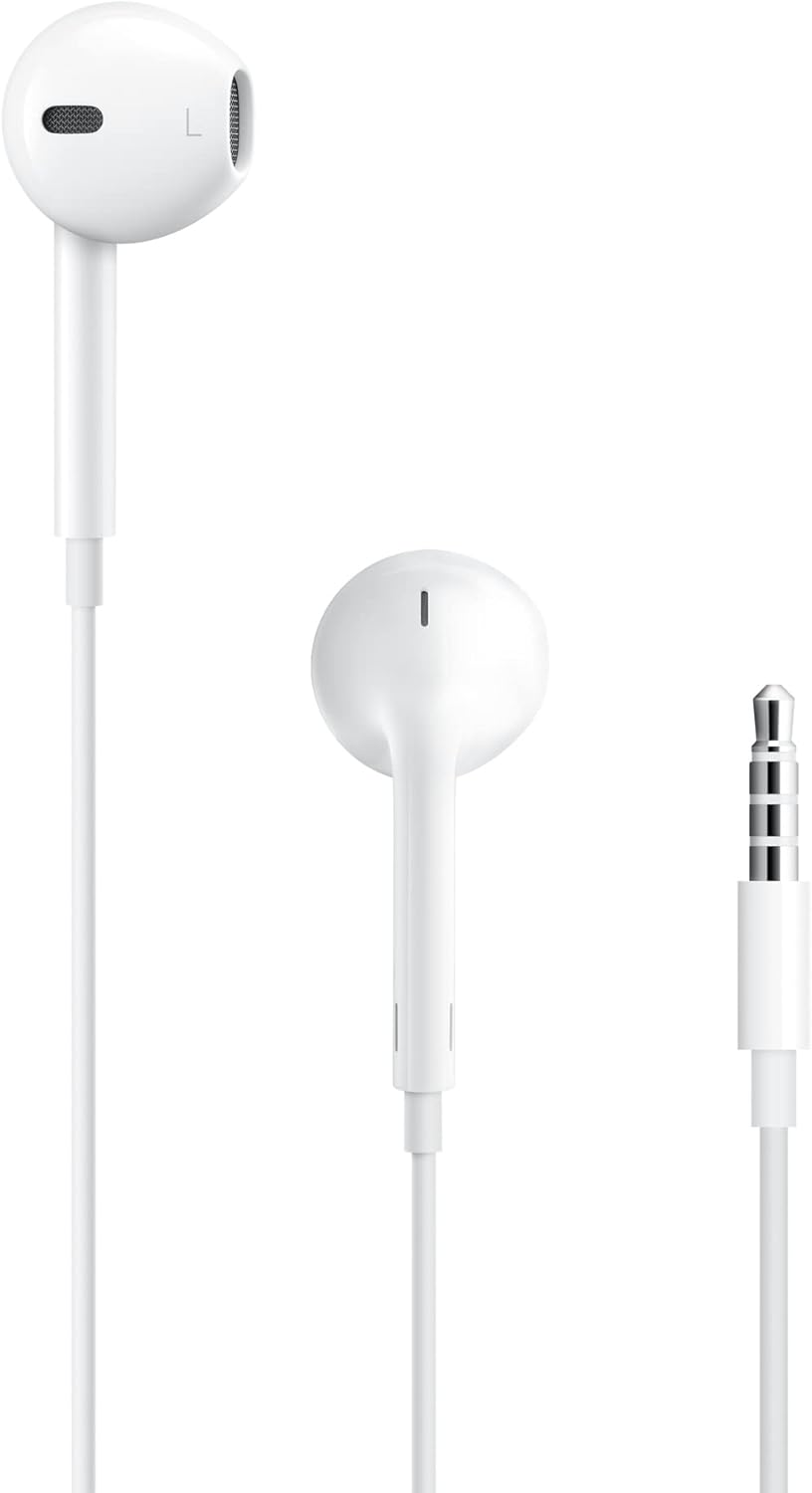
Apple EarPods (3.5 mm)
Best for: Low-visibility on-camera monitoring and intentional lo-fi recording on compatible 3.5 mm devices
The 3.5 mm EarPods are the most useful studio companion of the three versions: plug them into a Blue Yeti, USB microphone, recorder, or interface for discreet monitoring, or use the inline microphone on a compatible TRRS device for intentional lo-fi ASMR.
Open Amazon to confirm the current price, seller, availability, and exact bundle contents. Prefer Amazon.com, the brand storefront, or an authorized dealer.
Build props by scene, then go beyond the catalog
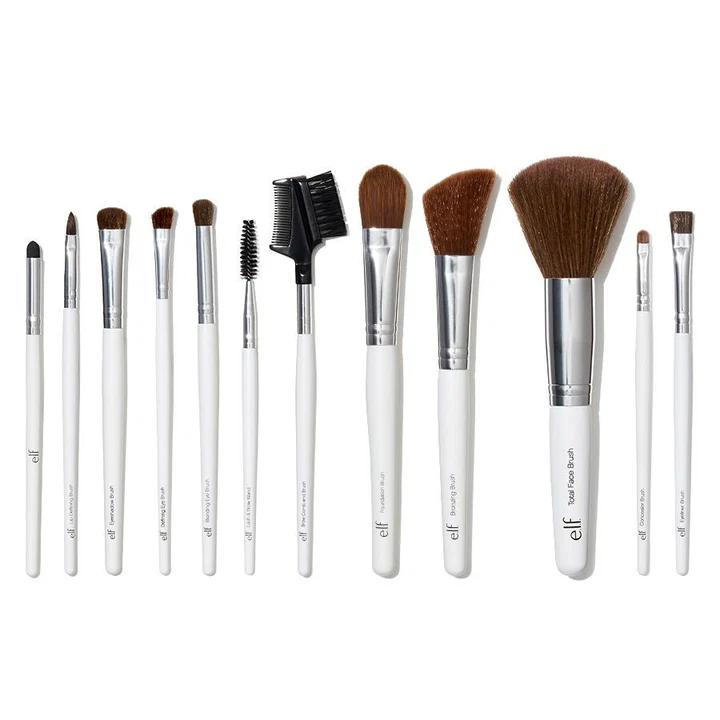
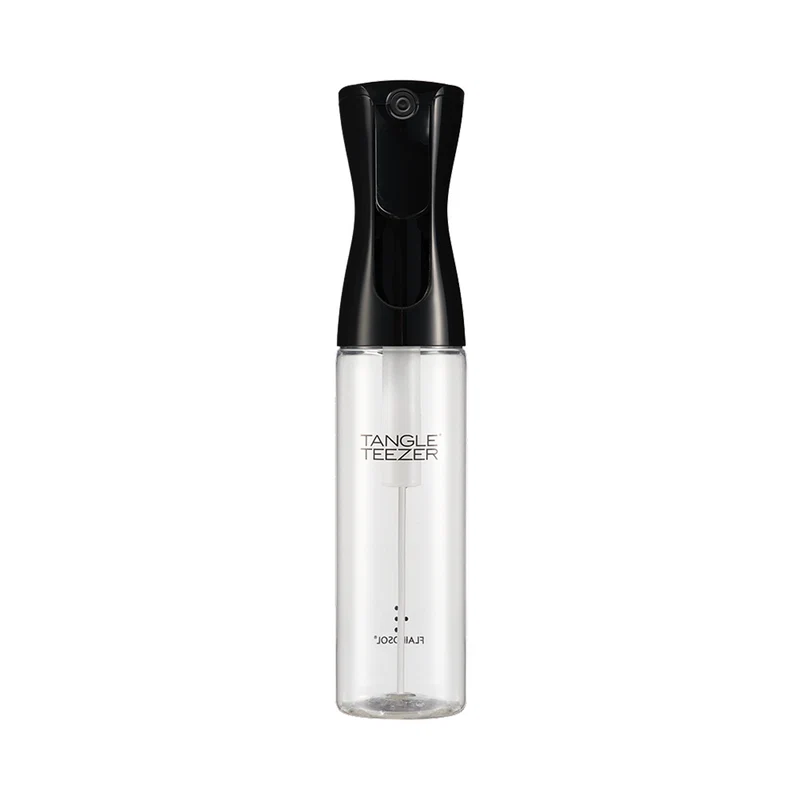
Start with tools that make the roleplay understandable: penlight, gloves, comb, measuring tape, notebook, brush, bottle, or inspection mirror. As the series develops, discover original objects and material combinations that create a recognizable sound vocabulary unique to the channel.
Continuity checklist
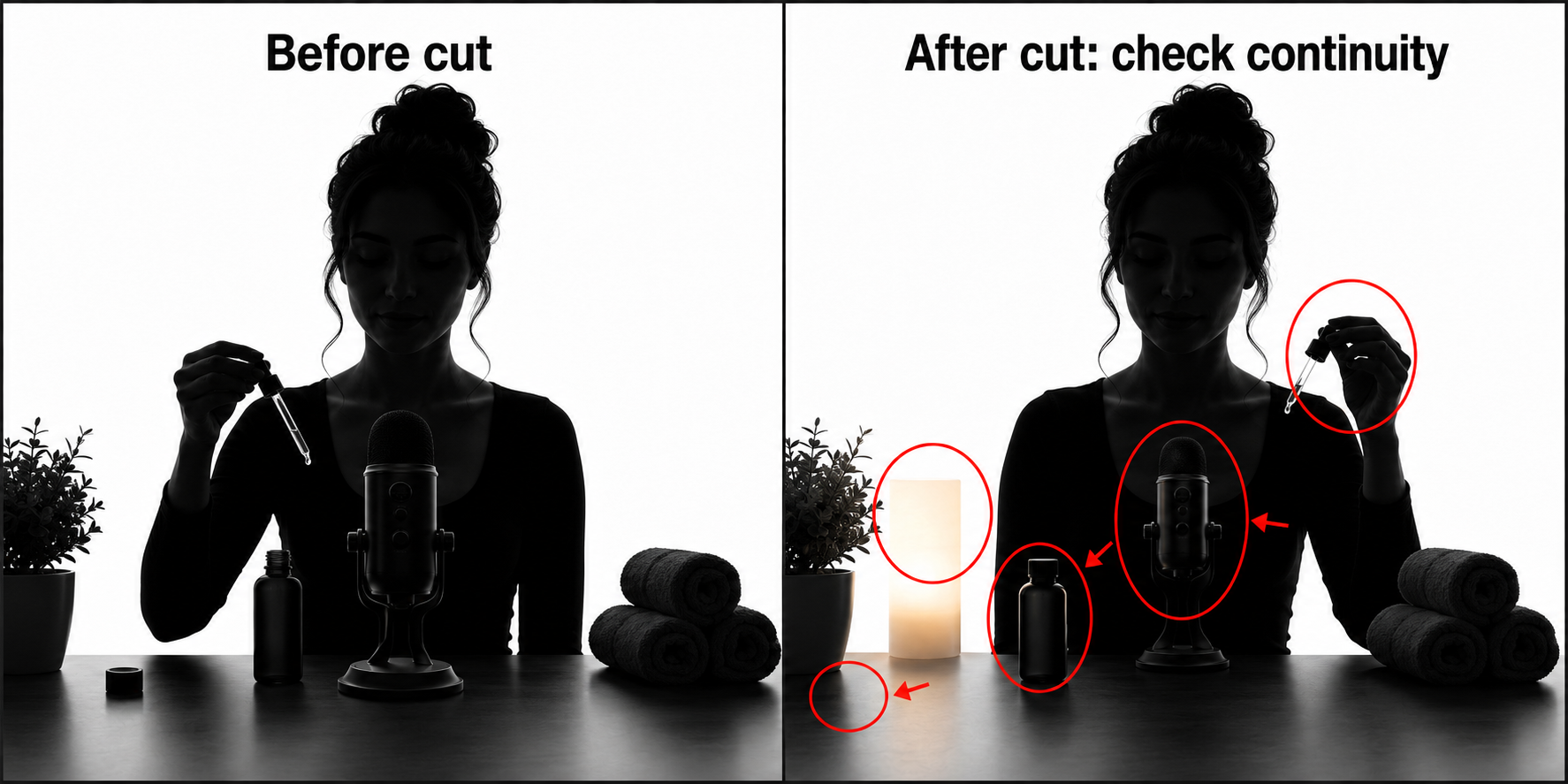
- Viewer eye line remains consistent
- Props return to known tray positions
- Gloves, lids, caps, and bottles match across cuts
- Microphone distance does not jump unexpectedly
- Background light and camera exposure do not change between takes
- Room tone is captured for smooth edits
- Green-screen edges are tested around hair, hands, glass, and reflective props
Frequently asked questions
Do I need a script for ASMR roleplay?
Use a beat sheet. A rigid word-for-word script can sound unnatural, while no plan creates searches and continuity problems. Define the scene stages, required lines, triggers, and ending.
Should I use a green screen for roleplay?
Only when virtual locations are central and repeatable. A physical background is simpler, avoids green spill and keying artifacts, and can provide real prop texture.
What camera support is best for roleplay?
A tabletop phone tripod works for compact close framing. A full-height tripod gives independent eye-level placement for wider scenes and mirrorless cameras.
What props should I buy first?
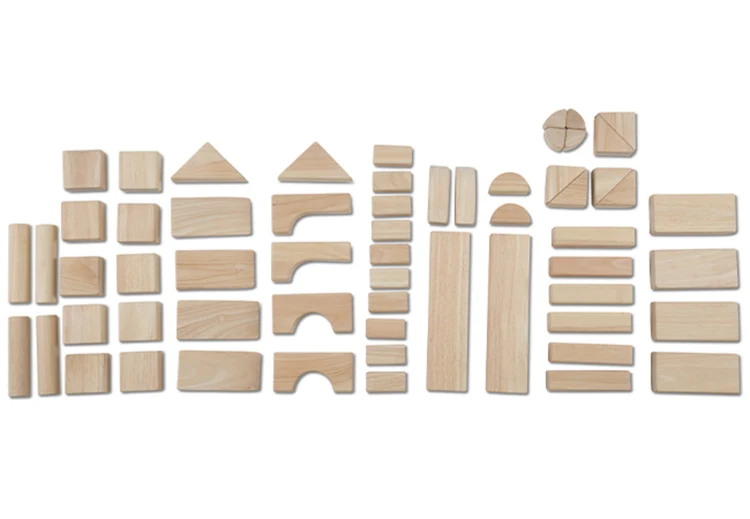
Buy one coherent tray for a recurring scene, then develop signature props through creativity and everyday discovery rather than buying every generic ASMR bundle.