To make an ASMR video, choose one sound format, record it in the quietest workable room with stable framing and one controlled light, run a technical test, capture a complete take, edit audio gently, then document the setup so the result is repeatable.
The first goal is not maximum equipment. It is a complete workflow that reveals the next real bottleneck.
How to make an ASMR video step by step
- Choose one ASMR formatDefine the first video as whispering, object triggers, roleplay, intentional lo-fi, stereo movement, or true binaural. One clear format determines the microphone pattern, framing, props, and edit.
- Choose the quietest workable recording positionRecord short room-tone tests in more than one location. Stop avoidable fans and notifications, move away from hard reflective walls, and do not confuse acoustic foam with soundproofing.
- Build the minimum working setupUse one recorder or microphone, wired monitoring, stable phone or camera support, and one controllable light. Add a second light, boom arm, green screen, or room treatment only when it solves a measured problem.
- Plan the sound and visual sequenceWrite a short order for the opening, recurring triggers or roleplay beats, transitions, and ending. Prepare props in reach so searching and handling do not interrupt the take.
- Record a technical testCapture room tone, a whisper, the loudest trigger, left-right movement if relevant, and a short video clip. Check clipping, cable rubbing, breath, focus, exposure, and background distractions.
- Record the full take with marginLeave silence at the beginning and end, repeat damaged lines or actions without stopping when practical, and protect a consistent microphone distance and camera frame.
- Edit audio before decorative video effectsRemove mistakes, build smooth room-tone fills, add short fades, correct obvious gain differences, and apply noise reduction conservatively so whispers and transients remain natural.
- Edit video around the listening experienceSync external audio, remove visible mistakes, preserve deliberate quiet pacing, correct exposure and color consistently, add captions or chapters where useful, and avoid transitions that are louder than the content.
- Export, review, and document the setupWatch and listen on headphones and a normal phone speaker, verify left-right orientation, then write down microphone mode, distance, gain, lighting position, camera settings, and prop sequence for the next session.
Minimum working setup
The technical test that prevents failed takes
- Record room tone before speaking
- Whisper at the planned closest distance and angle
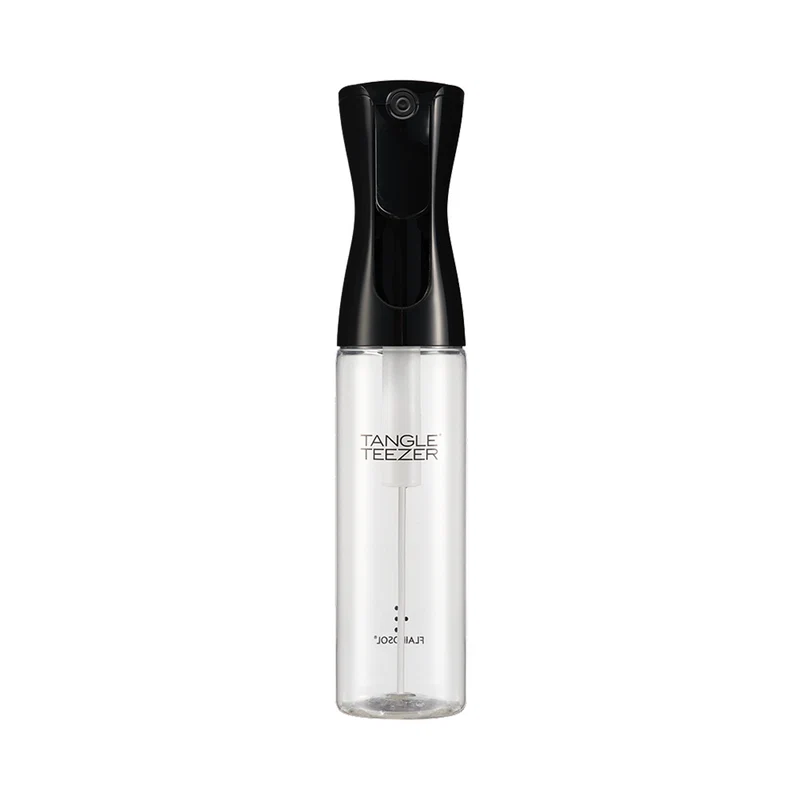
- Perform the loudest tap, crinkle, spray, or object impact
- Move left and right while checking channel orientation
- Move cables, props, chair, and hands to reveal mechanical noise
- Review focus, exposure, reflections, background objects, and hand space
- Listen on wired headphones before committing to a long take

Common first-video mistakes
Overlapping recording systems
One working chain teaches more than several microphones with unclear roles.
Quiet does not mean maximum sensitivity
Move the source closer and reduce gain before accepting more room and computer noise.
Phone balanced on objects
A small tripod or full-height support makes the same framing repeatable.
Uncontrolled room lighting
Use one soft repeatable key before adding multiple colored lights.
Heavy noise reduction
Clean the capture and use gentle processing instead of removing the texture of the sound.
Buying every bundle
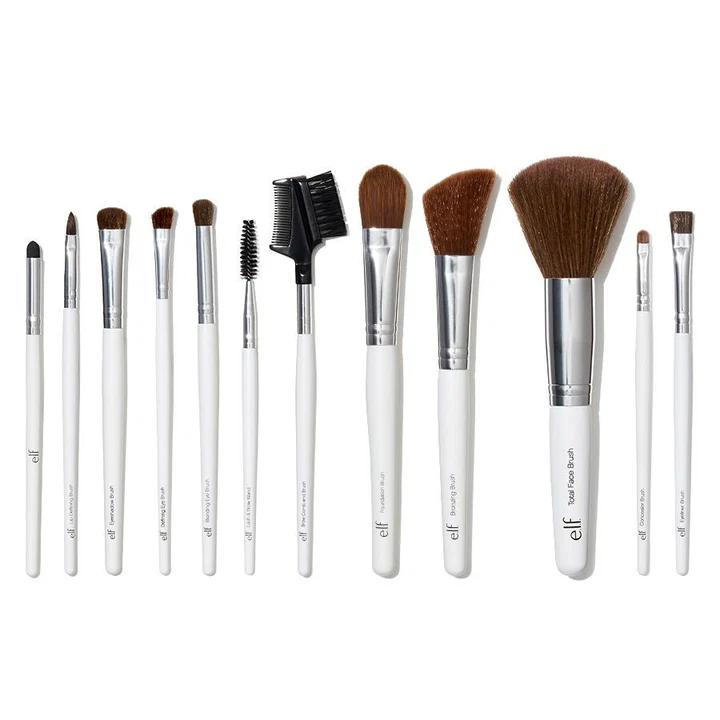
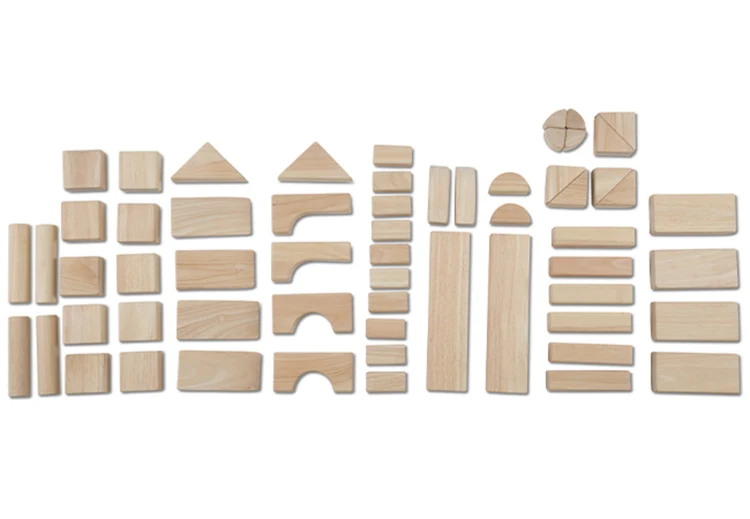
Start with sound categories, then develop original signature props from objects found everywhere.
Frequently asked questions
What equipment do I need to make an ASMR video?
The minimum is a recording device, a stable phone or camera, one repeatable light source, wired monitoring for tests, and one or more safe props or a planned voice format.
Can I make ASMR with only a phone?
Yes. Use the phone microphone or wired EarPods for intentional lo-fi, or a supported direct USB-C microphone for cleaner stereo. Stable support, cable control, and lighting are still important.
How long should a first ASMR video be?
Long enough to test a repeatable format without creating an exhausting edit. A shorter complete video is more useful than an unfinished ambitious session.
Should I remove all background noise in editing?
No. Heavy processing can damage whispers and trigger texture. Reduce avoidable noise at capture, use gentle cleanup, and preserve natural room tone between edits.