Buy the Yeti first unless ear-centered binaural scenes are already the identity of your channel.
Choose the classic Blue Yeti for a lower-friction computer workflow, centered voice, desk triggers, and deliberate left-right movement. Choose a 3Dio only when touching, brushing, cleaning, whispering around, or moving objects between realistic ears is central enough to justify a separate recording chain.
The difference is not “basic” versus “professional”
Blue Yeti: one microphone, several pickup patterns
The classic Yeti combines its capsules, USB conversion, gain control, headphone monitoring, desk stand, and pattern selector in one device. Stereo mode produces left-right width; cardioid gives a more focused centered recording.
3Dio: two ears define the scene
The Free Space places omnidirectional capsules at silicone ears. Those physical shapes alter arriving sound before it reaches the capsules, producing ear-to-ear cues that ordinary stereo spacing does not duplicate.
A Blue Yeti in stereo is still valuable for ASMR. It simply is not a dummy head. Conversely, buying a 3Dio does not automatically improve a centered whisper, reduce room noise, or make a first video better.
Connection and recording workflow
USB to a computer
Connect the microphone to a supported Windows or macOS computer, select it in the recording app, monitor through the headphone jack, and record. Phone and tablet behavior depends on the adapter, available power, operating system, and app.
Stereo 3.5 mm mic-level output
The standard Free Space is not a USB microphone. Its internal 9V battery powers the 3.5 mm output, which must feed a compatible stereo microphone input on a recorder, camera, preamp, or tested adapter chain.
Two balanced XLR channels
The XLR version sends left and right through separate outputs. It needs two cables, two recorder or interface inputs, phantom power, correct channel assignment, and a computer connection only if the chosen recorder or interface requires one.
Protect channel orientation
Both stereo Yeti work and 3Dio work need a spoken or tapped left-right test. Keep the physical side, recorded channel, video movement, and final export aligned.
3Dio documents the Free Space's 9V-powered 3.5 mm output and the Free Space XLR's two phantom-powered outputs in its current product information. Read 3Dio's connection guide →
Spatial effect, noise, and room control
Yeti stereo
Strong for a sound deliberately moved to the left and right sides of one microphone. It gives width without forcing every scene to revolve around silicone ears.
3Dio binaural
Stronger for brushing an ear, cleaning around a pinna, whispering from one side, or placing a prop at a repeatable point between two ears.
Neither is a room treatment system
Yeti cardioid can reduce rear pickup for a centered source. A 3Dio's omnidirectional capsules intentionally hear broadly. Both still capture fans, traffic, reflections, cable movement, and excessive gain.
If your room is the weak link, solve it before buying a more revealing spatial microphone. Use the background-noise diagnosis guide and compare a raw 30-second test at the intended recording time.
Match the microphone to the recurring scene
Whisper and roleplay at a desk
Cardioid keeps the workflow simple. Switch to stereo only for scenes where horizontal motion adds something the audience can hear.
Tapping, brushing, and object sounds
The wide grille and multiple patterns support many props without making every composition look like an ear-cleaning video.
Ear cleaning and ear massage
The physical ear gives the action a clear visual target and creates the acoustic filtering that defines this style.
Consistent ear-to-ear roleplay
The performer can repeat movements around fixed ears across sessions. This helps scenes in which position—not merely stereo width—is the performance.
Mostly phone-first lo-fi
A wired phone-compatible microphone or EarPods can validate the format with less equipment. Upgrade after the content proves what the current chain cannot do.
Noisy untreated room
First improve location, schedule, distance, vibration control, and computer placement. A sensitive spatial system will not conceal the environment.
Compare the whole chain, not the microphone box
The Yeti normally needs a computer, a data-capable USB connection, wired headphones, and a stable surface. Its included stand is usable; a boom arm or shock mount is a later vibration-control upgrade, not an entry fee.
The standard 3Dio Free Space needs a compatible stereo mic input and a support or stand. The XLR version adds two cables, a two-input recorder or interface, phantom power, and monitoring. A phone adapter is not automatically a stereo microphone input. Budget for the chain you can verify, not the adapters you hope will work.
- Exact output on the microphone
- Exact input type on the recorder, camera, interface, phone, or computer
- One recorded left channel and one recorded right channel
- Required battery, plug-in power, or phantom power
- Two clean channels when the microphone provides separate XLR outputs
- Stand, cable, monitoring, and storage needed for the real scene
Which one should you buy?
Choose the least complicated microphone that produces the scene your audience will actually watch.
Buy the Blue Yeti if this is your first dedicated microphone, you edit on a computer, or most videos combine centered voice with ordinary stereo triggers. Buy the 3Dio Free Space if you already have a verified stereo input and your scenes depend on physical ears. Buy the XLR version only if two-channel XLR recording is already part of your workflow.
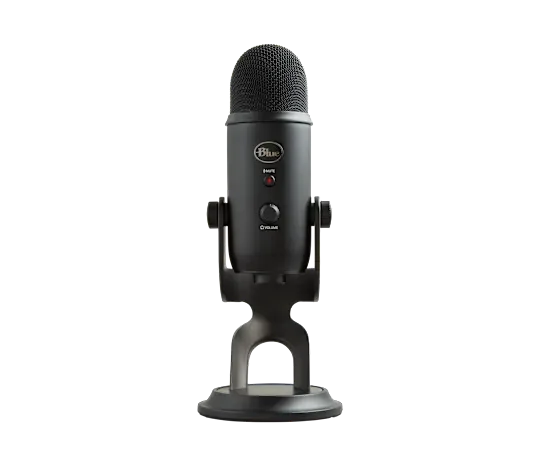
Blue Yeti
Best for: USB simplicity, centered whispers, and real stereo trigger movement
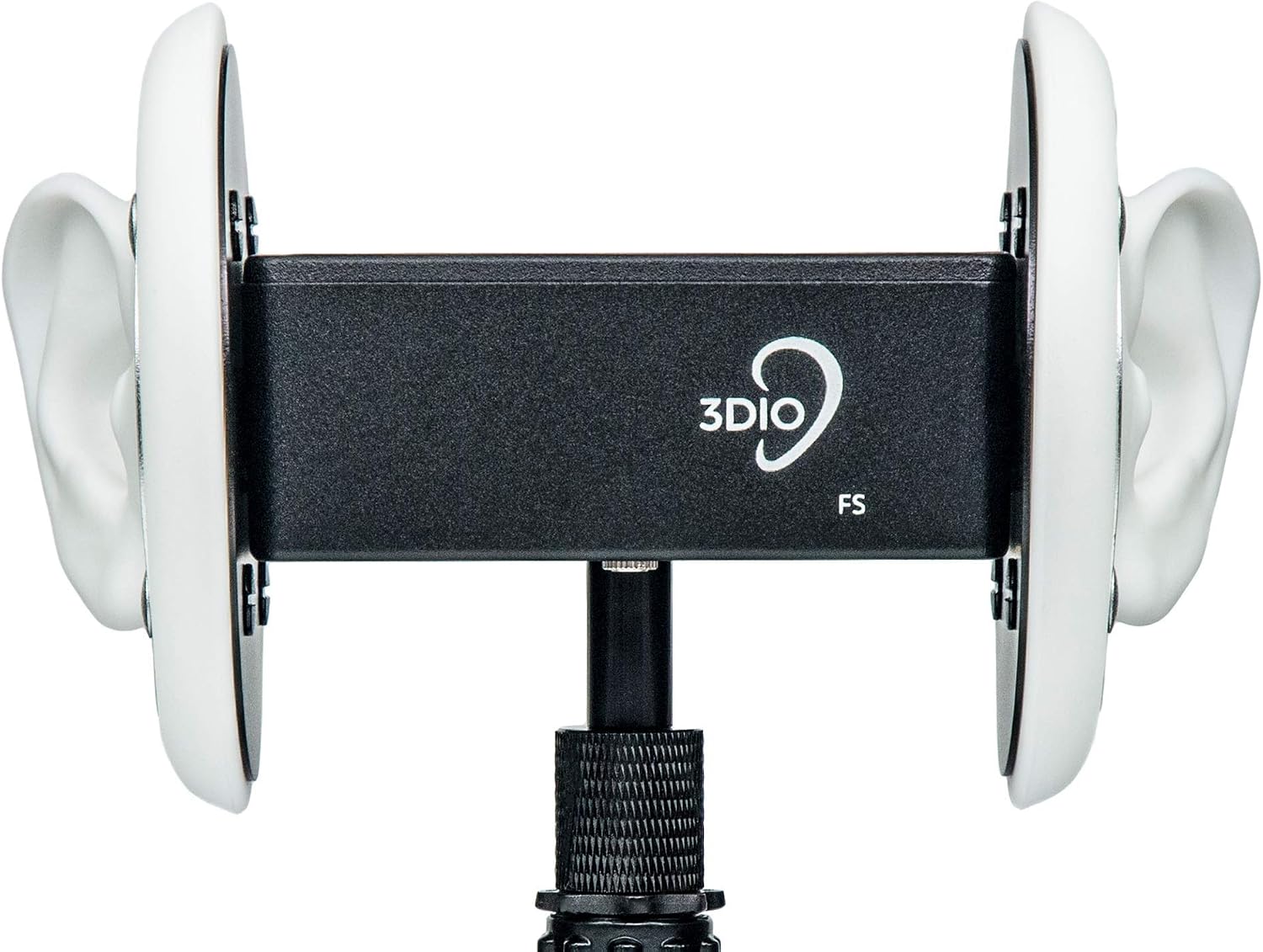
3Dio Free Space
Best for: Repeatable ear-to-ear roleplay with a compatible stereo input
Confirm the exact model, output, included accessories, seller, and return policy. The 3Dio Free Space and Free Space XLR are not interchangeable connection paths.
Frequently asked questions
Is a 3Dio better than a Blue Yeti for ASMR?
It is better for ear-centered binaural scenes. The Yeti is the better first purchase when USB simplicity, flexible pickup patterns, and lower total system cost matter more.
Can a Blue Yeti record binaural ASMR?
It records useful stereo ASMR, but not true dummy-head binaural cues because it lacks ear-shaped pinnae and a head-like boundary.
Does a standard 3Dio connect directly by USB?
No. The Free Space uses a stereo 3.5 mm mic-level output; the Free Space XLR uses two XLR outputs. Each needs a compatible recording input.
Which microphone is better in a noisy room?
Neither removes room noise. Yeti cardioid gives more directional control for a centered source; the 3Dio's omnidirectional capsules capture a broad spatial environment.